Automatic Power Solution Comparison
Automatic Generators: Your Reliable Solution for Uninterrupted Power Supply
Power backup systems act as an essential defense from electricity outages. The generators work flawlessly, activating within seconds after a power loss. Running on diverse fuels, these systems guarantee homes and businesses remain operational during emergencies. However, knowing their advantages and specifications is crucial to reaching a sound choice. Which points should be addressed prior to purchasing this type of unit? The subsequent parts examine these vital considerations.
How Standby Generators Work: How They Work
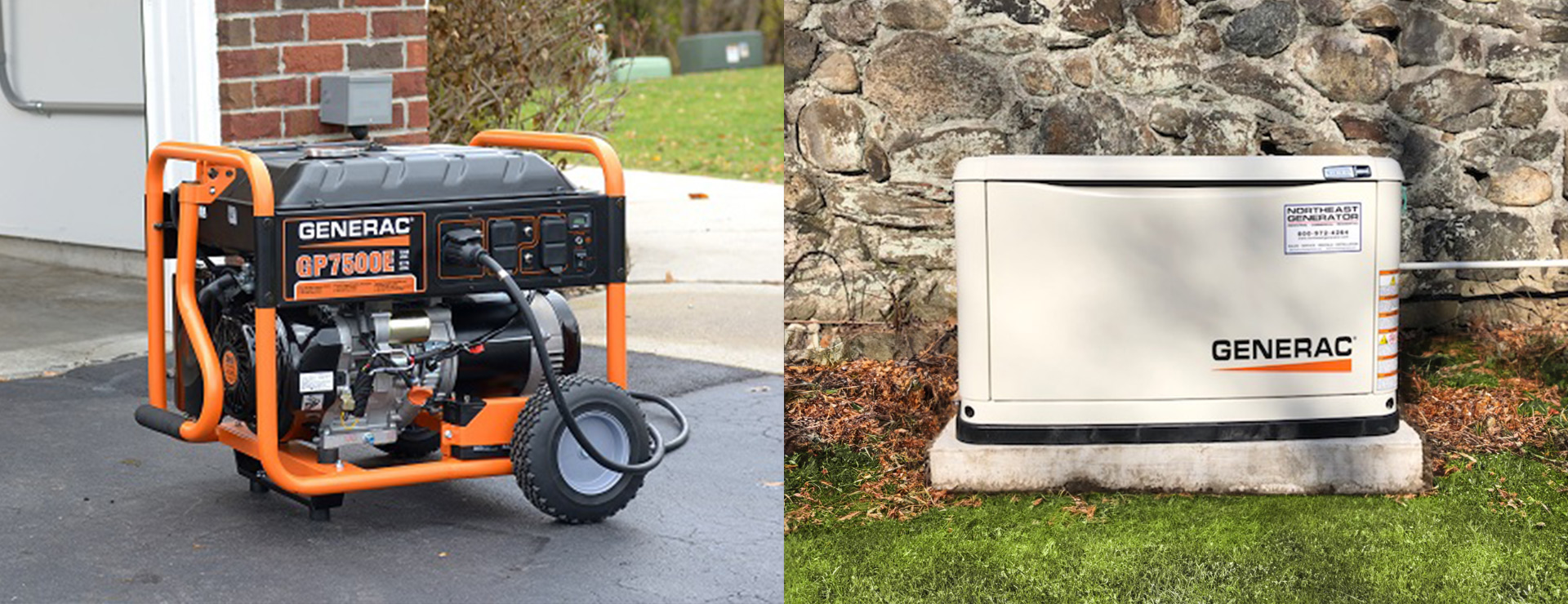
Standby generators are essential devices that provide automatic backup power when the grid fails. They are typically installed outside the structure, linked to the main wiring and powered by diesel, propane, or natural gas. When a power interruption occurs, the generator senses the power failure and activates within seconds. This process involves an ATS (Automatic Transfer Switch), which disconnects the home from the grid and switches the load to the generator
(Portland Standby Generators)The unit subsequently generates power, providing energy to critical systems or the entire facility, relative to its output. Most standby generators feature a built-in monitoring system that guarantees proper functioning and servicing. These units run for long durations, offering a constant energy supply until the public power returns. Grasping how backup generators work allows residents to recognize their value in enhancing energy security and reducing interruptions during unexpected outages
Benefits of Installing a Standby Generator
Trustworthiness is a key feature of installing a standby generator, as it guarantees an uninterrupted power supply when the power fails. This essential feature assures that facilities stay running, securing critical items and upholding livability. In addition, these generators improve protection by mitigating grid failures that may result in risky circumstances, such as burst plumbing or non-functional medical devices.
Cost-effectiveness is a further advantage; while the primary expenditure may be high, the savings over time from preventing food waste, disrupted workflow, and unexpected fixes can be substantial. Moreover, these generators boost the home's worth, which makes them an appealing amenity for prospective purchasers.
Ease of operation is a key factor, as they turn on automatically during an outage, removing the necessity for hands-on operation. This uninterrupted functionality enables homeowners to continue their everyday activities without interruption. In conclusion, setting up a standby system offers peace of mind, assuring that power is always available when critical.
Key Features to Look for in a Generator Unit
When selecting a standby generator, several key features must be evaluated to guarantee peak performance and suitability for specific needs. To begin with, the power output is vital; buyers must calculate the necessary power to run critical equipment during an outage. Additionally, the power source—whether NG, propane, or diesel—influences operation and running expenses.
A further critical component is the automatic transfer mechanism, which facilitates seamless power changeover and improves security. Construction and longevity are key factors; a sturdy unit can withstand harsh weather conditions.
In addition, the volume of operation must be checked, as less noisy generators are ideal for residential areas. Certain models include self-starting features, offering ease of use during sudden power failures. To conclude, warranty and service options should be reviewed, providing reliable support and maintenance. By evaluating these features, prospective buyers can select a standby generator that aligns with their individual power demands efficiently.
Key Points to Review Before Purchase
Prior to purchasing a standby generator, prospective owners should thoroughly review a few vital considerations to guarantee they make an educated choice. Portland Standby Generators. To start, they must evaluate their energy requirements by figuring out the necessary capacity to run important appliances during an outage. Next, the fuel type is vital; options include natural gas, propane, or diesel, all having distinct benefits and access factors
Furthermore, customers need to examine the generator's transfer switch, which facilitates seamless power transfer. The requirements for installation are also important, as some generators may necessitate expert setup or permit acquisition
Service agreements and warranties should not be overlooked, because they influence your satisfaction over time. Lastly, buyers need to assess the generator's noise levels, particularly if they reside in residential areas. When reviewing these aspects, consumers can select a standby generator that perfectly suits their unique needs and expectations
How to Maintain Your Standby Generator

Consistent upkeep is vital for guaranteeing ideal performance and the long life of a backup generator. Owners should begin by inspecting the generator's oil levels, and swap out the oil and filter following the guidelines provided by the manufacturer. Regularly check the air filter and replace it as necessary to guarantee optimal airflow. It is crucial to check the battery and remove any terminal corrosion to maintain reliable starting power.
Run load tests from time to time to verify the generator manages the capacity it is rated for. Additionally, verify that the exhaust is clear of blockages and leaks. Keeping the generator clean and free from debris can prevent the unit from overheating and having other issues.
As a final step, schedule professional maintenance annually at a minimum to address any potential problems and conduct thorough checks. Adhering to these upkeep guidelines will significantly prolong the life of a standby generator, providing peace of mind during power outages.
Frequently Asked Questions
What is the Typical Price of Standby Generators?
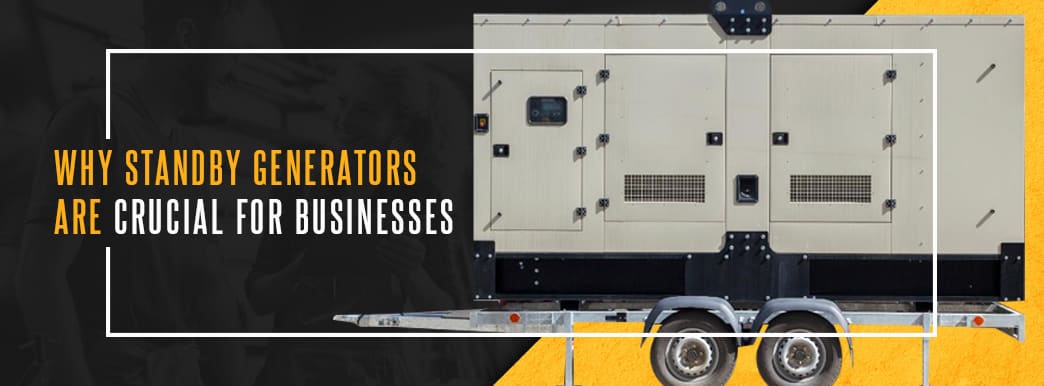
Standby generators typically cost between $2,000 and $15,000, depending on factors such as power output, brand, and installation complexity. Additional expenses may include fuel tanks, permits, and ongoing maintenance, affecting the total investment needed.
Can I Install a Standby Generator Myself?
Installing a standby generator oneself is possible, though it demands familiarity of electrical systems and local codes. Many recommend getting a contractor to ensure security, compliance, and ideal performance of the generator installation.
What Energy Sources Do Standby Generators Use?
Standby generators commonly run on energy sources such as diesel, natural gas, propane, or gasoline. Portland Standby Generators. The choice of fuel is frequently influenced by the cost, availability, and particular power requirements, affecting the operation and efficiency of the generator
Do I Need Permits for Installation?
Absolutely, installation permits are usually mandated for the installation of standby generators. Regulations vary by location, so it is essential for homeowners or contractors to check with overview local governing bodies to guarantee compliance with all relevant codes and requirements.
What is the Maximum Continuous Runtime Continuously?
A standby generator can run continuously for different lengths of time, usually between 24 and 48 hours, based on the load demands and fuel availability. Routine upkeep ensures optimal functioning and extended lifespan during extended operation periods.